

Grief and the Shed: Navigating Your Father’s Workshop in 2026
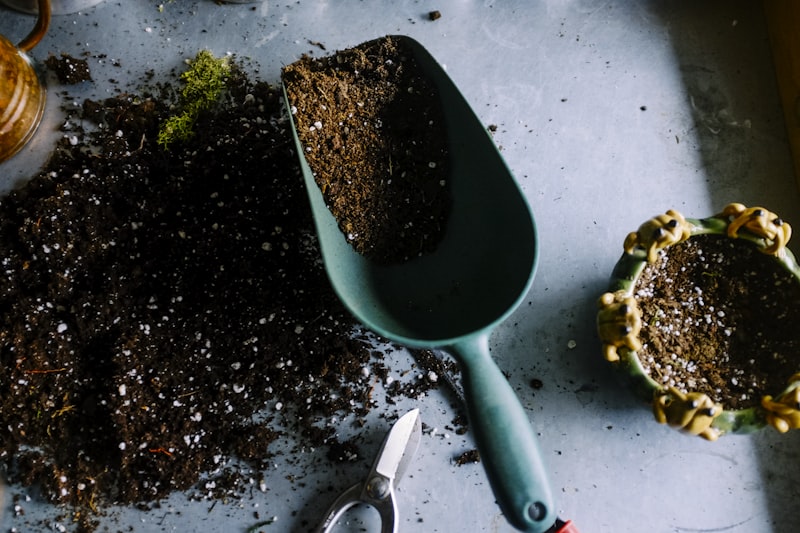
The smell hits first—sawdust, motor oil, linseed oil, the sharp bite of metal. Then the light catches dust motes dancing above a bench worn smooth by decades of elbows. The coffee can of mixed screws. The hammer with its handle shaped to his palm. The radio preset to a station that hasn’t changed since 1987. For many adult children, the shed, garage workshop, or basement bench is the hardest room in the house. It holds not just tools but a way of being: men who grieve while doing, who measure love in projects finished and things fixed.
Why the Shed Holds Grief Differently
Living rooms hold conversations. Bedrooms hold sleep. The shed holds action. Fathers taught us to measure twice, cut once, to respect the grain, to return tools to their hooks. That grammar of doing becomes a language of love. When he dies, the shed doesn’t just sit there—it waits. The half-finished birdhouse. The sharpened chisels. The notebook with cut lists in his handwriting. Entering means confronting the evidence of a life built with hands.
Research on masculine grief patterns shows men often process loss through activity rather than talk. The shed is where that activity lived. Avoiding it can feel like abandoning him. Entering too soon can feel like trespassing. Both are valid.
First Visit: A Checklist for Entering the Space
| Step | Action | Why It Matters |
|---|---|---|
| 1 | Don’t go alone the first time | A partner, sibling, or friend witnesses you; they can drive if you need to leave |
| 2 | Take photos before touching anything | Documents the “as-found” state for memory, insurance, and family |
| 3 | Set a time limit—30 to 60 minutes | Prevents emotional flooding; you can return |
| 4 | Bring a notebook, not a trash bag | Record observations, not decisions |
| 5 | Sit on his stool for five minutes | Let the space speak; breathe the air he breathed |
| 6 | Leave the same way you entered | No pressure to sort, clean, or decide today |
Repeat visits get easier. The third or fourth time, you might pick up the worn hammer. That’s the moment the shed shifts from shrine to workshop again—if you want it to.
What the Objects Mean: Reading the Bench
- Coffee can of mixed screws: Not hoarding. He knew “someday” arrives when a hinge loosens at midnight.
- Paint stick with his handwriting: A grocery list for lumber. The shorthand only he read.
- Radio preset: The station he listened to while sanding, the voice that kept him company.
- Worn hammer handle: Shaped by thousands of swings. The tool became an extension of his arm.
- Half-finished project: Not failure. The next step was always tomorrow.
- Jar of pencil stubs: Measuring twice means dull pencils. He never wasted lead.
These aren’t clutter. They’re the vocabulary of a man who showed up daily. Choose one or two to keep. The rest can go.
Sorting in Three Passes: Keep, Pass On, Release
| Category | Keep (Sentimental/Useful) | Pass On (Family/Tools Library) | Release (Sell/Donate/Recycle) |
|---|---|---|---|
| Hand tools (hammers, chisels, planes) | One signature tool per child | Grandkids learning woodworking; local tool library | Duplicates, rusted beyond repair |
| Power tools (drill, saw, sander) | If you use them; one cordless set | Vocational program, Habitat for Humanity ReStore | Old corded models, battery systems with no charger |
| Fasteners & hardware (screws, nails, bolts) | One organized drawer system | Community theater set builders, makerspace | Mixed mystery cans, rusted boxes |
| Finishes & chemicals (paint, stain, oil) | Only unopened, in-date, labeled | Neighbor doing fence, theater group | Dried, separated, unlabeled—hazardous waste |
| Lumber & sheet goods | Specialty wood (walnut, cherry) you’ll use | Woodworking club, school shop class | Construction-grade 2x4s, water-damaged plywood |
| Measuring & layout (tape, square, level) | His favorite tape, combination square | Apprentice in family, trade school | Cheap duplicates, broken levels |
Pass one: pull hazardous materials (see Safety below). Pass two: sort by category using the table. Pass three: decide on the “maybe” box—limit it to one banker’s box.
Safety and Legal First: What Must Go Before You Sort
- Firearms and ammunition: Secure immediately per state law. Transfer through FFL if keeping in family. Surrender to police if not.
- Propane tanks: Never store indoors. Exchange or recycle at certified facility.
- Gasoline, oil, solvents: Household hazardous waste collection only. No drain disposal.
- Pesticides, herbicides, pool chemicals: Original labels required for hazmat drop-off.
- Lead-acid batteries: Auto parts stores accept for core charge.
- Asbestos-containing materials (old insulation, brake pads): Do not disturb. Hire abatement pro.
Check the lease or home sale contract. Some agreements require the shed broom-clean. If the home is selling, the buyer may expect conveyance of built-in storage systems. Document what stays and what goes in writing.
When the Shed Becomes a Shrine vs. a Working Shop
A shrine freezes time. Dust thickens. The half-finished birdhouse rots. No one enters. A working shop honors him by continuing the work. You don’t have to choose immediately. Try this: clear one wall. Mount his favorite tools on a pegboard labeled “Dad’s Bench.” Use the rest. Build something. Teach a grandchild to drive a nail. The shed lives when hands move in it.
If the shrine feels right for now, protect it. Climate control prevents rust. A dehumidifier. A lock. Revisit in six months. Grief changes shape; the shed can too.
Involving Grandchildren: Passing the Craft, Not the Burden
- Let each child pick one small item—a pencil stub, a paint stick, a jar of brass screws.
- Tell the story: “Grandpa used this square to build the porch you played on.”
- Keep it tactile. A tool in a small hand beats a photo on a screen.
- Frame it as inheritance of skill: “Want to learn how he used this?”
- Short visits. Ten minutes. Leave wanting more.
- Create a “Grandpa’s Tools” tray they can visit without entering the full shed.
The goal isn’t to offload stuff. It’s to transmit the grammar of making. That’s the real legacy.
Compare Free Life Insurance Quotes
Answer a few questions and see personalized rates from 50+ carriers in about two minutes. No obligation.
Secure form — your information is encrypted and never sold.
Financial Reality Check: The Shed, the Will, and Insurance
Personal property in a shed—tools, lumber, equipment—is rarely itemized in a will. It falls into the residuary estate or passes by intestacy. A personal property memorandum (referenced in the will) can specify who gets the table saw, but many estates lack one. IRS Publication 559 covers estate tax basis for inherited property; tools receive step-up basis at date of death.
Homeowners or renters insurance covers personal property in outbuildings up to policy limits—often 10% of Coverage C for detached structures. Sub-limits apply to tools, business property, and firearms. After a death, notify the insurer; the policy may need re-titling. NAIC consumer guides explain coverage nuances. Life insurance pays the family; property insurance pays for the tools. They serve different purposes.
If the shed contains a side-business inventory (custom furniture, repair services), different rules apply. Consult a probate attorney and CPA. The NIMH grief resources can support the emotional side while you handle the paperwork.
Related Guides for the Journey
- Clearing the House After Death: A Room-by-Room Guide
- Grief and the Keys: What to Do With His Car and Garage
- Grief and the Front Porch: The Threshold Between Inside and Out
- Grief and Photos: Sorting a Lifetime of Images
- Grief and the Diary Lock: Reading What He Left Written
Frequently Asked Questions
How long should I wait before going into my father’s shed?
There is no right timeline. Some people enter within days; others wait months or years. Wait until you feel ready to be in the space without needing to do anything. Bring a supportive person if it helps.
What should I do with hazardous materials like paint thinner, propane, or old gasoline?
Remove hazardous materials first. Contact your local household hazardous waste facility for drop-off days. Never pour chemicals down drains or into soil. Propane tanks must go to a certified recycler or exchange program.
Are my father’s tools part of the estate or personal property?
Tools and shed contents are typically personal property, not specifically listed in a will. They pass via the residuary clause or intestacy laws. Check the will for a personal property memorandum or specific bequests.
Does homeowners insurance cover tools stolen from the shed after death?
Standard homeowners or renters policies cover personal property on the premises, including sheds, up to policy limits and sub-limits for tools. File a police report and contact the insurer promptly. Life insurance covers the family, not the tools.
Should I keep the shed exactly as he left it?
A shrine preserves memory but can stall grief. Consider keeping one shelf or wall as ‘his bench’ with a few meaningful items, then reclaim the rest as a working space or clear it. Balance remembrance with function.
How do I involve grandchildren without overwhelming them?
Let them choose one small item—a paint stick with Grandpa’s writing, a jar of screws. Tell a story about it. Keep visits short. Frame it as inheriting a skill or memory, not a burden.
The shed held his hands. Now it holds your choice: close the door, or pick up the hammer. Either honors him. If the financial side feels heavy—estate questions, insurance gaps, the mortgage on the house—get a life insurance quote that protects the people, not the tools. The shed can wait. Your family can’t.
Related reading: a toolbox as a record of quiet competence looks at what to do with the things a person leaves behind, and how small decisions about objects can make grief a little easier to carry.