

Grief and the Sunroom: Finding a Quiet Room to Sit With Loss in 2026
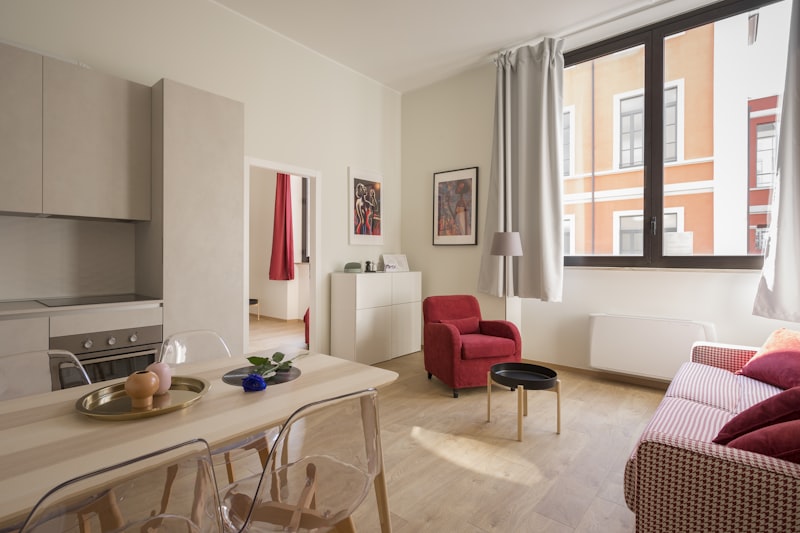
Grief does not announce itself with fanfare. It arrives in the quiet moments — the morning coffee gone cold, the empty chair at the kitchen table, the way sunlight hits a dust mote and holds it suspended. In 2026, more people are naming what they need: a room that holds silence without demanding performance. The sunroom, with its glass walls and borrowed light, has become an unexpected sanctuary for those learning to sit with loss.
Below, a short video walks through the idea of designing a grief-friendly space at home:
Why the Sunroom Works for Grief
A sunroom occupies a threshold. It is neither fully inside nor fully outside. Glass walls invite the sky, the trees, the shifting weather — all of which continue their cycles regardless of human sorrow. That continuity can be grounding. Research on environmental psychology suggests that access to natural light and views of greenery reduce cortisol levels and support emotional regulation. For someone in grief, a space that offers both shelter and connection to the living world can ease the sense of isolation that often accompanies loss.
The sunroom also provides a physical boundary. Grief can feel boundless, seeping into every corner of a home. Designating one room — especially one with a distinct atmosphere — creates a container. You enter with intention. You leave when you are ready. That agency matters.
Quiet-Space Options Compared
Not every home has a sunroom. The table below compares common quiet-space candidates so you can choose what fits your layout, budget, and emotional needs.
| Space | Natural Light | Privacy | Connection to Outdoors | Setup Effort | Best For |
|---|---|---|---|---|---|
| Sunroom | High — full glass walls | Moderate — sheer curtains help | Strong — immersive views | Low if existing; high if building new | Extended sitting, journaling, morning rituals |
| Screened Porch | High — open sides | Low — visible to neighbors | Strong — breezes, sounds, scents | Low — usually exists | Breathwork, listening to rain, seasonal awareness |
| Bedroom Corner | Variable — depends on window | High — behind closed door | Weak — limited view | Very low — chair + lamp | Nighttime grief, reading, private tears |
| Garden Bench | Full — open sky | Low — public or semi-public | Full — direct contact | Low — bench + cushion | Short visits, grounding, nature immersion |
| Converted Closet | None — needs artificial light | Very high — enclosed | None | Moderate — seating, lighting, sound dampening | Meditation, prayer, sensory decompression |
Each option carries trade-offs. A sunroom offers the richest blend of light, shelter, and outdoor connection — but it may not exist in your home. A bedroom corner requires almost no setup but lacks the expansive feel that helps some people breathe. The garden bench is free and immediate but weather-dependent. Choose based on what you can sustain, not what looks best on paper.
What Each Stage of Grief Asks of a Space
Grief is not linear, but the Kübler-Ross framework (denial, anger, bargaining, depression, acceptance) remains a useful shorthand for the shifting needs a quiet room must meet. The table below maps each stage to spatial qualities that support it.
| Grief Stage | Primary Need | Space Quality That Helps | Sunroom Feature to Leverage |
|---|---|---|---|
| Denial / Numbness | Gentle re-entry to feeling | Soft light, low stimulation, easy exit | Sheer curtains to diffuse harsh sun; door to house stays open |
| Anger | Safe containment for intensity | Durable surfaces, sound privacy, room to move | Tile or concrete floor for pacing; heavy drapes for scream privacy |
| Bargaining | Focus for ritual or prayer | Focal point — altar, candle, photo shelf | Window ledge as natural altar; morning light hits it first |
| Depression | Low-demand comfort | Deep seating, blanket storage, warm light | Plush chair with ottoman; heated throw within reach |
| Acceptance / Integration | Space for new rituals | Flexibility — writing surface, plant care, tea setup | Side table for journal; shelf for propagating cuttings |
Notice that no single room configuration serves every stage perfectly. The sunroom’s strength is adaptability: curtains drawn or open, chair turned toward the window or toward the door, a blanket folded or spread. You modify the room as your grief modifies you.
Key Takeaways
- A sunroom offers a rare combination of natural light, shelter, and outdoor connection that supports grief’s shifting needs.
- If you lack a sunroom, a bedroom corner, screened porch, garden bench, or converted closet can each serve — match the space to your current stage and resources.
- Grief stages ask different things of a space: numbness needs softness; anger needs containment; depression needs comfort; integration needs flexibility.
- Simple additions — sheer curtains, a heated throw, a journal table, a plant — transform any quiet corner into a grief-supportive room.
- Internal links to related guides: clearing the house after death, grief and the front porch, the new widow guide, grief support groups.
Practical Steps to Prepare Your Sunroom for Grief Work
- Assess the light. Track how sunlight moves through the room across a day. Note glare periods and shadow corners. Place seating where morning light lands gently.
- Layer privacy options. Install sheer curtains for diffusion, blackout panels for days when you need darkness, and a folding screen for visual separation from the rest of the house.
- Choose seating for duration. A deep armchair with lumbar support, an ottoman, and a weighted blanket accommodate long sits. Avoid perching stools or purely decorative pieces.
- Add a ritual surface. A small side table or window ledge holds a candle, a photo, a stone, a cup of tea — whatever anchors your practice.
- Introduce living things. One low-maintenance plant (snake plant, pothos, ZZ plant) gives you something to tend. Growth beside grief is its own quiet teacher.
- Control sound. A white-noise machine or soft playlist masks household sounds. Heavy drapes absorb echo. The goal is not silence but a soundscape you choose.
- Keep a grief kit nearby. Tissues, water bottle, journal, pen, lip balm, a smooth stone — stored in a basket so you never have to hunt.
- Set a threshold ritual. Pause at the door. Take three breaths. Name your intention: “I am here to sit with what is.” Cross the threshold deliberately.
Common Pitfalls and How to Avoid Them
- Perfectionism in setup. You do not need a magazine-ready room. A folding chair and a candle count. Start where you are.
- Expecting the room to “fix” grief. The room holds you; it does not heal you. Healing happens in the sitting, not the decorating.
- Using the room only in crisis. Visit on good days too. Build familiarity so the space feels like a resource, not a last resort.
- Letting clutter accumulate. Grief lowers executive function. A weekly 10-minute reset keeps the room functional without demanding energy you don’t have.
- Ignoring seasonal shifts. A sunroom in July differs from one in January. Plan for heat (fan, light-blocking blinds) and cold (space heater, insulated curtains) so the room remains usable year-round.
When to Seek Additional Support
A quiet room is a tool, not a replacement for professional care. If grief feels unmanageable — persistent hopelessness, inability to function, thoughts of self-harm — reach out. The NAIC Consumer Resources page offers insurance-related guidance for financial stressors that compound grief. The Social Security Administration provides survivor benefits information that can ease practical burdens. And grief support groups connect you with others who understand.
Frequently Asked Questions
Do I need a dedicated sunroom to create a grief space?
No. Any quiet corner — a bedroom chair, a porch step, a closet with a cushion — can serve. The principles (light, privacy, comfort, intention) matter more than the architecture.
Compare Free Life Insurance Quotes
Answer a few questions and see personalized rates from 50+ carriers in about two minutes. No obligation.
Secure form — your information is encrypted and never sold.
What if my sunroom gets too hot or too cold?
Add a portable heater for winter, a fan or portable AC for summer, and insulated cellular shades year-round. A gel-cooling mat for the chair helps in heat; a heated throw helps in cold.
How long should I spend in the grief room each day?
There is no prescription. Ten minutes of intentional sitting outweighs an hour of distracted scrolling. Start with what feels doable and let your body guide you.
Can I share this space with others who are grieving?
Yes, if it feels supportive. Some families designate “sunroom hours” for shared silence or conversation. Others keep it strictly personal. Communicate boundaries clearly.
What if I don’t have natural light in my chosen space?
Use full-spectrum LED bulbs (5000–6500K) on a dimmer. Add a light-therapy lamp for 20 minutes each morning. Mirrors amplify whatever light exists.
Is it unhealthy to spend a lot of time alone in a grief room?
Solitude differs from isolation. Chosen, time-bounded solitude restores. If you find yourself unable to leave, avoiding people entirely, or feeling worse after each visit, consult a therapist.
Grief does not ask for a perfect room. It asks for a place where you can stop performing okay-ness. A sunroom — or any quiet corner you claim — becomes sacred not because of its glass walls but because you return to it, again and again, and let the light witness what words cannot hold. When you are ready to consider the financial protection that eases one burden for those you love, get a free life insurance quote.
For more on this, see our guide to grief and the sunroom.
For more on this, see our guide to the room the sun still fills.