

What Happens When Your Life Insurance Company Sells Your Policy? The Lincoln Financial $5.8B Reinsurance Deal Explained (2026)

In July 2026, Lincoln Financial announced it was transferring approximately $5.8 billion of guaranteed universal life (GUL) insurance reserves to Talcott Financial Group — a deal affecting roughly 37% of Lincoln’s remaining GUL policies. If you’re one of the thousands of policyholders whose coverage is being moved, you’re probably asking: What does this mean for my policy? Is my coverage still safe? Who is Talcott, and why does my insurer want to offload my policy?
Related: Insurance Company Mergers and Acquisitions in 2026: What Policyholders Need to Know — Learn more about this important life insurance topic.
You’re not alone. Life insurance companies routinely transfer blocks of policies to other firms through a process called reinsurance — and in 2026, these deals are happening at record scale. This guide explains exactly what happens when your insurer sells or reinsures your policy, why companies do it, how it affects your coverage, and what steps you should take to protect yourself.
What Is Life Insurance Reinsurance? A Simple Explanation
Reinsurance is, at its core, insurance for insurance companies. When a life insurer issues a policy, it takes on the risk of having to pay a death benefit someday. To manage that risk — and free up capital to write new business — insurers often transfer some of their policies to a reinsurance company.
Think of it like a mortgage: when you get a home loan from a bank, that bank often sells your mortgage to another financial institution. You keep making payments, the terms don’t change, but a different company now holds the loan. Life insurance reinsurance works the same way — your policy terms, premiums, and death benefit stay exactly the same, but the financial responsibility for paying claims shifts to the reinsurer.
There are two main types of reinsurance transactions:
- Indemnity reinsurance: The original insurer keeps the policy on its books and remains responsible to you, but the reinsurer agrees to reimburse the insurer for a portion of any claims paid. You may never even know this happened.
- Assumption reinsurance (novation): The reinsurer takes over the policy entirely — they become your new insurer. This requires your consent and is much rarer for individual life insurance policies.
The Lincoln-Talcott deal is structured as indemnity reinsurance — Lincoln Financial retains account administration, recordkeeping, and claims management. From your perspective as a policyholder, nothing changes: you still log into Lincoln’s portal, still pay premiums to Lincoln, and still file claims with Lincoln.
The Lincoln Financial-Talcott Deal: What’s Actually Happening
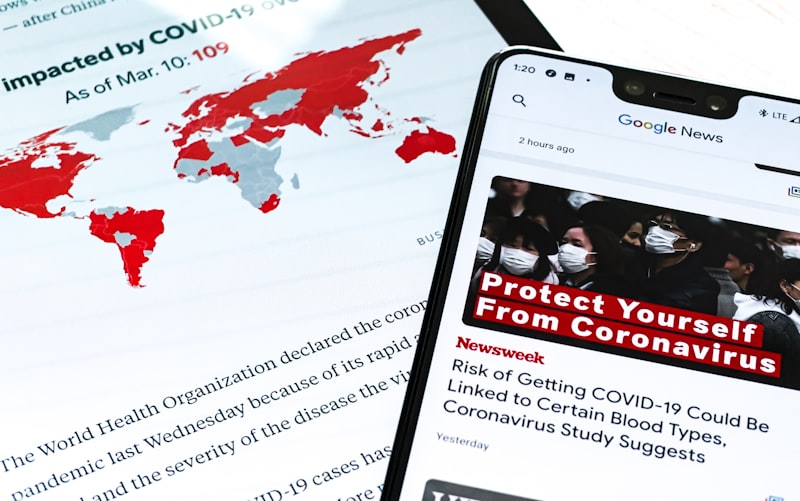
On July 30, 2026, Lincoln Financial (NYSE: LNC) announced a blockbuster reinsurance agreement with Talcott Financial Group. Here are the key numbers:
| Deal Component | Detail |
|---|---|
| Total reserves transferred | $5.8 billion in GUL statutory reserves |
| Share of Lincoln’s GUL block | ~37% of remaining in-force GUL |
| Additional business | ~$500 million in funding agreements |
| Capital impact | ~$200 million (reduces RBC ratio by ~10 points) |
| Expected closing | Q4 2026, effective October 1, 2026 |
| Policyholder impact | None — Lincoln retains administration and claims |
| Combined with 2023 Fortitude Re deal | ~60% of Lincoln’s total GUL now reinsured |
This is Lincoln’s second major GUL reinsurance deal in three years. In 2023, Lincoln transferred another large block of GUL policies to Fortitude Re. Combined, approximately 60% of Lincoln’s total in-force guaranteed universal life business will be reinsured once this deal closes.
Talcott Financial Group, the buyer, is a major player in the life and annuity reinsurance market. Backed by global investment firm Sixth Street, Talcott has a track record of acquiring legacy insurance blocks and managing them efficiently. The deal includes counterparty protections such as over-collateralization and agreed-upon investment guidelines.
Why Do Life Insurance Companies Sell Blocks of Policies?
If you just bought a policy from Lincoln Financial, it can feel unsettling to learn they’re transferring it to another company. But these transactions are driven by financial strategy, not distress. Here’s why insurers do it:
- Free up capital: Insurance regulations require carriers to hold significant reserves against every policy they issue. By reinsuring a block of policies, the insurer releases that capital — which can then be used to write new business, invest in growth, or return to shareholders.
- Reduce risk exposure: Guaranteed universal life policies carry long-term risks — mortality risk (people living longer or shorter than expected), lapse risk (policyholders surrendering), and interest rate risk. Offloading these blocks reduces earnings volatility.
- Shift business mix: Many traditional insurers are pivoting away from capital-intensive legacy products toward fee-based businesses like asset management, group benefits, and retirement services. Reinsurance accelerates that transition.
- Improve financial metrics: Reinsurance transactions can boost free cash flow, improve return on equity, and strengthen balance sheets — all of which make the company more attractive to investors.
Lincoln’s CEO Ellen Cooper described the deal as “another deliberate step in our multi-year strategy to fortify Lincoln’s balance sheet, strengthen our financial flexibility and create long-term value for our shareholders.” The transaction is expected to increase annual subsidiary remittances by $30–$40 million over the medium term.
Does This Affect Your Coverage? What Policyholders Need to Know
The short answer: your coverage is almost certainly unaffected. Here’s exactly what stays the same and what changes behind the scenes:
| What Stays the Same | What Changes (Behind the Scenes) |
|---|---|
| Your premium amount and payment schedule | The financial entity backing your policy’s reserves |
| Your death benefit amount | Which company holds the investment assets supporting your policy |
| Your policy’s terms, riders, and guarantees | The regulatory capital requirements for your policy’s reserves |
| Who you contact for service (Lincoln) | The counterparty responsible for reimbursing claims |
| How you file claims (Lincoln) | The risk management framework around your policy |
| Your cash value and loan provisions | Nothing material to you as the policyholder |
Lincoln explicitly stated: “The transaction will have no impact on Lincoln’s commitments to its policyholders or distribution partners.” The company retains full responsibility for account administration, recordkeeping, and claims management.
However, there are a few things smart policyholders should do when they learn their policy has been reinsured:
- Verify your policy documents: Keep your original policy contract in a safe place. The terms in that document are legally binding regardless of who holds the reserves.
- Check the reinsurer’s financial strength: Talcott Financial Group is rated by AM Best and other agencies. While Lincoln remains your point of contact, the reinsurer’s financial health matters because they’re ultimately backing your policy’s reserves.
- Monitor your statements: Continue reviewing your annual policy statements. If anything changes — premium notices, contact information, or policy values — contact Lincoln immediately.
- Know your state guaranty association coverage: If both the original insurer AND the reinsurer were to fail (extremely unlikely), state guaranty associations provide a safety net — typically $300,000–$500,000 in death benefit protection per policyholder.
The Bigger Picture: Why 2026 Is a Record Year for Life Insurance Reinsurance
The Lincoln-Talcott deal is not an isolated event. 2026 is shaping up to be one of the busiest years ever for life insurance reinsurance transactions. Several forces are driving this trend:
- Private equity-backed reinsurers: Firms like Talcott (backed by Sixth Street), Fortitude Re (backed by Carlyle), and others have raised billions in capital specifically to acquire legacy insurance blocks. They can operate these blocks more efficiently than traditional insurers because they’re not burdened by legacy distribution costs.
- Post-pandemic risk reassessment: COVID-19 caused insurers to re-examine their mortality assumptions. Many are choosing to reduce their exposure to long-duration guaranteed products rather than hold them through decades of uncertainty.
- Regulatory capital optimization: NAIC and state regulators have tightened capital requirements for certain product types, making it more expensive for traditional insurers to hold GUL and other long-duration guaranteed products on their balance sheets.
- Interest rate environment: After years of low rates followed by rapid increases, insurers are repositioning their investment portfolios. Reinsurance lets them offload blocks tied to older, lower-yielding investments.
Other major reinsurance deals in 2025-2026 include Nationwide’s $12 billion agreement with MassMutual, multiple Fortitude Re transactions, and a wave of variable annuity block transfers. The trend is accelerating, not slowing down.
Guaranteed Universal Life Insurance: Why This Product Is at the Center of the Deal
The Lincoln-Talcott deal specifically targets guaranteed universal life (GUL) insurance — and that’s not a coincidence. GUL is a unique product that has become a headache for insurers:
GUL policies offer a guaranteed death benefit with guaranteed level premiums to a specified age (often 90, 95, or 100+), with minimal cash value accumulation. They’re essentially “term insurance for life” — you pay a fixed premium, and as long as you pay it, the death benefit is guaranteed.
The problem for insurers? These policies carry secondary guarantees — meaning the insurer must pay the death benefit even if the policy’s cash value drops to zero, as long as premiums are paid. In a low-interest-rate environment, the investments backing these guarantees may not earn enough to cover the promised benefits. That creates a long-term liability that insurers would rather transfer to specialized reinsurers.
| GUL Feature | What It Means for You | What It Means for Insurers |
|---|---|---|
| Guaranteed death benefit | Your beneficiaries get paid no matter what | Insurer must hold reserves for the full guarantee period |
| Level premiums for life | Predictable costs, never increases | Premiums may not keep pace with investment returns |
| Secondary guarantees | Coverage stays in force even if cash value is $0 | Insurer bears all investment and mortality risk |
| Minimal cash value | Lower premiums than whole life | Less capital to invest and earn returns on |
| Long-duration risk | Coverage lasts decades | Hard to predict mortality and lapse rates 30+ years out |
If you own a GUL policy, the reinsurance of your policy block is actually a positive signal — it means a well-capitalized specialist is now backing your policy’s guarantees, and your original insurer is strengthening its balance sheet by reducing exposure to a product that was weighing on its financial metrics.
How to Check If Your Policy Has Been Reinsured
Most policyholders never know their policy has been reinsured — and that’s by design. The original insurer remains your point of contact, and nothing about your day-to-day experience changes. But if you want to check, here’s how:
- Review your annual statement: Some insurers disclose reinsurance arrangements in the fine print of annual policy statements. Look for language about “reinsurance,” “ceded reinsurance,” or “indemnity reinsurance.”
- Check the insurer’s financial filings: Publicly traded insurers like Lincoln Financial (NYSE: LNC) disclose major reinsurance transactions in SEC filings (10-K, 10-Q) and press releases. Search for “[insurer name] reinsurance transaction” in financial news.
- Call customer service: You can ask your insurer directly: “Has my policy been reinsured to another company?” They are required to disclose this if asked, though the front-line representative may need to escalate to a supervisor.
- Check AM Best ratings: Look up both your insurer and any known reinsurer on the AM Best website (ratings.ambest.com). A rating of A- or higher indicates strong financial health.
- Review your policy contract: Your original policy contract includes provisions about the insurer’s right to reinsure. This is standard language in virtually all life insurance contracts.
What If You’re Uncomfortable With the Reinsurance Arrangement?
If you learn your policy has been reinsured and you’re uncomfortable with the arrangement, you have options — though most policyholders will find that doing nothing is the best course of action:
- Do nothing (recommended for most): Your policy terms, premiums, and guarantees are unchanged. The reinsurer is regulated by state insurance departments and must maintain adequate reserves. State guaranty associations provide an additional safety net.
- Shop for a new policy: If you’re healthy and insurable, you can apply for a new policy with a different carrier. However, you’ll be older than when you bought your original policy, so premiums will likely be higher. Never cancel your existing policy until a new one is in force.
- Explore a life settlement: If you’re over 65 and no longer need the coverage, you may be able to sell your policy to a third party for more than the cash surrender value. This is called a life settlement, and the reinsurance of your policy block doesn’t affect your eligibility.
- Convert to a different product: Some GUL policies include conversion options to whole life or other permanent products. Check your policy contract for conversion privileges.
Key Takeaways: What the Lincoln-Talcott Deal Means for Consumers
- Your coverage is safe: Lincoln Financial retains full responsibility for policy administration, premiums, and claims. The reinsurance is a behind-the-scenes financial transaction that doesn’t change your policy terms.
- This is normal and routine: Life insurers have been reinsuring blocks of policies for decades. The Lincoln-Talcott deal is large but not unusual — it’s part of a broader industry trend toward capital-efficient business models.
- GUL policies are the focus for a reason: Guaranteed universal life products carry long-term risks that traditional insurers increasingly prefer to transfer to specialized reinsurers. If you own GUL, your policy is exactly the type being moved.
- Regulatory protections apply: Both Lincoln and Talcott are regulated by state insurance departments. State guaranty associations provide an additional layer of protection for policyholders.
- Stay informed, not alarmed: The best thing you can do is keep your policy documents organized, monitor your annual statements, and understand that reinsurance is a sign of a well-managed insurance industry — not a cause for concern.
Frequently Asked Questions
Will my life insurance premium change after my policy is reinsured?
No. In an indemnity reinsurance arrangement like the Lincoln-Talcott deal, your premium amount, payment schedule, and all policy terms remain exactly the same. The original insurer (Lincoln Financial) continues to collect premiums and administer your policy. The reinsurance transaction is a financial arrangement between the two companies that does not affect your contractual rights or obligations as a policyholder.
Is Talcott Financial Group a safe company to back my life insurance policy?
Talcott Financial Group is a well-established participant in the life and annuity reinsurance market, backed by Sixth Street, a leading global investment firm with over $75 billion in assets under management. Talcott’s insurance subsidiaries are regulated by state insurance departments and must maintain adequate reserves. The Lincoln-Talcott deal also includes counterparty protections such as over-collateralization and agreed-upon investment guidelines. Additionally, state guaranty associations provide a safety net of $300,000–$500,000 in death benefit protection per policyholder if both the insurer and reinsurer were to fail.
Can I stop my life insurance company from reinsuring my policy?
Generally, no. Virtually all life insurance contracts include provisions that allow the insurer to reinsure your policy without your consent. This is standard industry practice and has been for decades. The only exception would be an assumption reinsurance (novation), where the reinsurer takes over your policy entirely and becomes your new insurer — but this is extremely rare for individual life insurance and typically requires policyholder consent. The Lincoln-Talcott deal is indemnity reinsurance, which does not require your consent.
What happens if Talcott Financial Group goes bankrupt?
If Talcott were to become insolvent, Lincoln Financial would still be responsible for your policy as the original (ceding) insurer. In indemnity reinsurance, the original insurer retains ultimate responsibility to the policyholder. If Lincoln were to also fail (extremely unlikely), your state’s life insurance guaranty association would step in to protect your policy benefits, typically up to $300,000 in death benefit and $100,000 in cash surrender value per policyholder, though limits vary by state.
Why does Lincoln Financial want to get rid of my guaranteed universal life policy?
Lincoln isn’t “getting rid” of your policy — it’s transferring the financial risk to a specialist. Guaranteed universal life (GUL) policies carry long-term risks (mortality, lapse, and interest rate risk) that require significant capital reserves. By reinsuring these policies, Lincoln frees up capital to invest in growth areas, reduces earnings volatility, and strengthens its balance sheet. Your policy remains in force with the same guarantees — the only difference is which company holds the investment assets backing those guarantees.
Should I cancel my Lincoln Financial policy and buy from a different company?
In most cases, no. Canceling a life insurance policy you’ve held for years means losing the premiums you’ve already paid and potentially facing higher rates due to your older age. The reinsurance of your policy block does not change your coverage, premiums, or guarantees. If you’re concerned, compare your current policy’s premiums and benefits against what you could get today from other carriers — but never cancel an existing policy until a new one is approved and in force. For most policyholders, the best course of action is to keep your policy and continue paying premiums as usual.
How can I find out if my specific policy was included in the Lincoln-Talcott deal?
Lincoln Financial has not released a list of specific policy numbers included in the transaction. The deal covers approximately 37% of Lincoln’s remaining in-force guaranteed universal life (GUL) block. If you own a Lincoln GUL policy, there’s roughly a 1 in 3 chance it’s included. You can call Lincoln Financial customer service at 1-800-487-1485 and ask whether your policy is part of the Talcott reinsurance transaction. They are required to disclose this information upon request, though you may need to speak with a supervisor.
Related Resources
- Lincoln Financial Life Insurance Review 2026: Complete Guide to Rates, Products & Financial Strength
- Guaranteed Universal Life Insurance (GUL): Complete 2026 Guide
- What Happens When Your Life Insurance Company Goes Bankrupt in 2026
- What Happens When Your Life Insurance Company Merges? Equitable-Corebridge Merger 2026 Guide
- Life Insurance Consumer Rights and Protections in 2026
- AM Best Insurance Ratings — Check Financial Strength
- NAIC Consumer Resources — Insurance Regulation & Policyholder Rights
- National Organization of Life & Health Insurance Guaranty Associations — State Safety Net Info
Ready to compare life insurance quotes from top-rated carriers? Get free, no-obligation quotes in minutes and find the best policy for your needs and budget. Compare Life Insurance Quotes Now →
