


🛡️ Compare Free Life Insurance Quotes from 50+ Providers
Get My Free Quote →
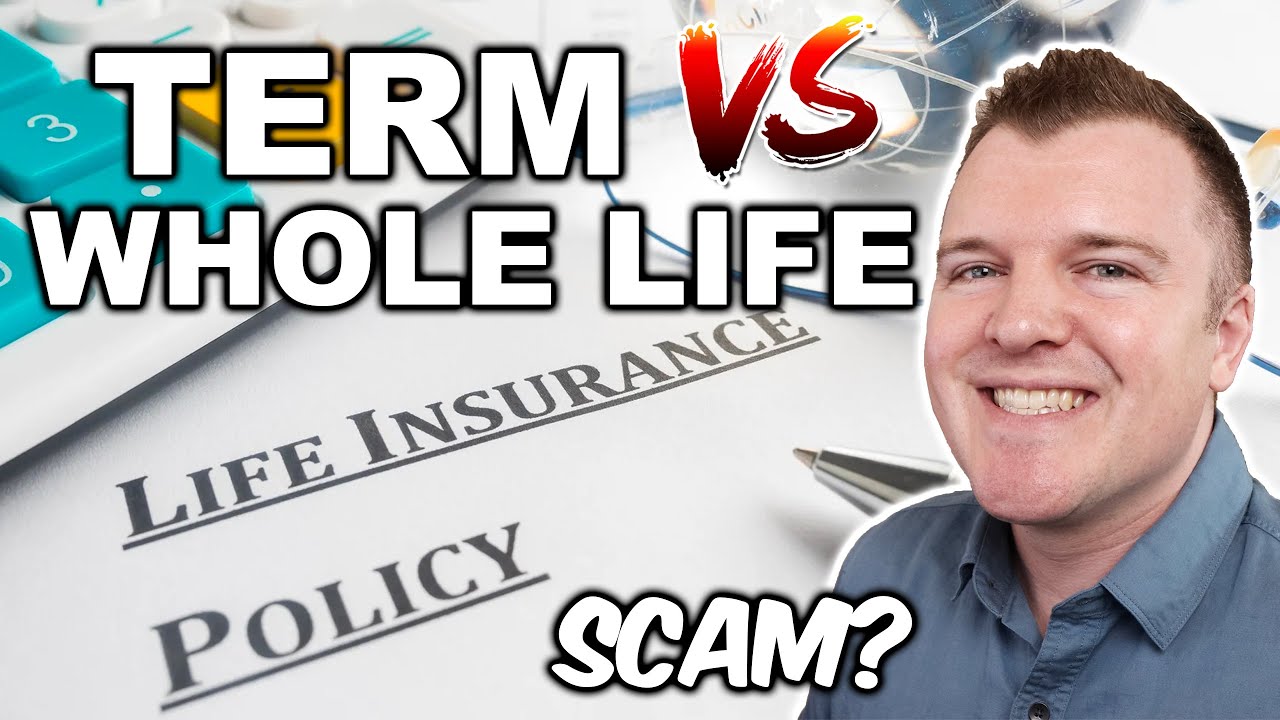
1716652797 Maxresdefault.jpg
JG
Expert Reviewed by James Griggs
Licensed Life Insurance Agent | Updated: June 25, 2026
✓ Licensed

Term vs Whole Life Insurance Explained – Is it a SCAM?

Life insurance comparison and rates guide
Understanding life insurance options helps you make informed coverage decisions.

Compare free Whole Life Insurance quotes from 50+ licensed providers. Permanent coverage that builds cash value over time with guaranteed death benefits. Save up to 70% by comparing rates today.

Top Life Insurance Carriers Compared

Carrier Coverage Type Min. Coverage Monthly Cost (Est.) Best For
Mutual of Omaha Whole Life $2,000 $25–$60 Seniors & final expense
AIG/Corebridge Term Life $50,000 $15–$40 Affordable term coverage
Lincoln Financial Term & Universal $100,000 $20–$50 Flexible term options
Transamerica Term Life $25,000 $18–$45 Budget-friendly term
Guardian Life Whole Life $25,000 $30–$80 Permanent coverage with dividends

🛡️ Get Your Free Quote →

🔒 256-bit SSL Encrypted | ⭐ 4.8/5 Rating | 🏆 50+ Providers Compared

📑 In This Article

💰 Save up to 70% on whole life insurance — Compare personalized quotes from 50+ providers in under 2 minutes. Get Your Free Quote →


Like, Comment, and Share my videos! SUBSCRIBE HERE Become a channel member to get …

[wpcode id=”4722″]

When it comes to life insurance, there are two main types that are often compared: term life insurance and whole life insurance. Both options have their advantages and disadvantages, and it’s important to understand the differences between them in order to make an informed decision about which type of policy is right for you. One common question that arises when discussing these two types of life insurance is whether whole life insurance is a scam. In this article, we will explore the differences between term and whole life insurance, and address the question of whether whole life insurance is a scam.

Term Life Insurance:
Term life insurance is a type of life insurance policy that provides coverage for a specific period of time, usually between 10 and 30 years. If the insured individual passes away during the term of the policy, the beneficiaries will receive a death benefit. Term life insurance is typically more affordable than whole life insurance, making it a popular choice for individuals who are looking for temporary coverage. However, once the term of the policy expires, the coverage ends and the policyholder must either renew the policy at a higher premium or purchase a new policy.

Whole Life Insurance:
Whole life insurance, on the other hand, is a type of permanent life insurance policy that provides coverage for the entire lifetime of the insured individual. In addition to a death benefit, whole life insurance policies also have a cash value component that accumulates over time. This cash value can be used to borrow against or surrender the policy for cash. Whole life insurance policies are typically more expensive than term life insurance policies, but they offer the advantage of lifelong coverage and a guaranteed death benefit.

Is Whole Life Insurance a Scam?
There is a common misconception that whole life insurance is a scam because of the higher premiums and the cash value component of the policy. Some critics argue that whole life insurance is unnecessary and that individuals would be better off investing the difference in premiums in other investment vehicles. However, it’s important to recognize that whole life insurance serves a different purpose than term life insurance.

Whole life insurance can be a valuable tool for individuals who want to ensure that their loved ones will receive a death benefit regardless of when they pass away. Additionally, the cash value component of whole life insurance can provide a source of liquidity in times of need. While whole life insurance may not be the best option for every individual, it is not inherently a scam. It’s important to carefully consider your own financial goals and needs before deciding whether whole life insurance is right for you.

In conclusion, term life insurance and whole life insurance both have their pros and cons, and the right choice will depend on your individual circumstances. While whole life insurance may not be the best option for everyone, it is not a scam. It’s important to do your own research and consult with a financial advisor to determine the best life insurance policy for your needs. Ultimately, the most important thing is to have some form of life insurance coverage in place to protect your loved ones in the event of your passing.

Frequently Asked Questions

How much does whole life insurance cost?

Whole life insurance typically costs $150-$300/month for $250,000 in coverage for a healthy 30-year-old. While more expensive than term life, it provides lifelong coverage and builds cash value that grows tax-deferred.

What is the cash value of whole life insurance?

Cash value is the savings component of a whole life policy that grows over time at a guaranteed rate. You can borrow against it, withdraw from it, or use it to pay future premiums. Cash value grows tax-deferred and typically becomes accessible after 3-5 years.

Can I borrow from my whole life policy?

Yes, you can borrow against your policy’s cash value at any time. Policy loans have low interest rates and don’t require credit checks. However, unpaid loans reduce your death benefit and may trigger tax consequences if the policy lapses.

Where can I compare whole life insurance quotes?

You can compare free whole life insurance quotes from 50+ providers right here on Life Quotes Web. Our comparison tool shows side-by-side rates in under 2 minutes — get your free quotes now.

Compare Free Whole Life Insurance Quotes Today

Get personalized rates from 50+ providers. No obligation, no medical exam required.

🛡️ Get Your Free Whole Life Insurance Quote →

🔒 256-bit SSL Encrypted | ⭐ 4.8/5 Rating | 🏆 50+ Providers

Related Resources

Understanding Term Life Insurance

Term life insurance provides coverage for a specific period, typically 10, 20, or 30 years, at a fixed monthly premium. Understanding how term life insurance works is essential for making an informed decision about your family financial protection. The right policy depends on your age, health, budget, and long-term financial goals.

Key Factors That Affect Your Rates

Several factors influence how much you will pay for term life insurance. Understanding these can help you secure the best possible rate:

  • Age: Younger applicants get significantly lower rates. A 30-year-old may pay half of what a 50-year-old pays for identical coverage.
  • Health status: Your medical history, BMI, blood pressure, and cholesterol levels impact your rate class.
  • Smoking status: Smokers pay 2-4 times more than non-smokers for the same coverage amount.
  • Gender: Women typically pay less than men because they have a longer life expectancy.
  • Coverage amount: Higher death benefits mean higher premiums, but the cost per $1,000 of coverage decreases with larger policies.

How to Choose the Right Policy

Selecting the right term life insurance policy requires careful consideration of your financial situation and family needs. Start by calculating how much coverage you need using the DIME method: Debt, Income replacement, Mortgage payoff, and Education costs. This gives you a coverage target that ensures your family can maintain their standard of living.

Next, compare quotes from multiple carriers. Rates can vary by 50-70% between companies for the exact same coverage. Working with an independent agent who represents multiple carriers ensures you get the best value. Consider a term life insurance rates comparison to see how different carriers stack up.

Common Mistakes to Avoid

Many consumers make avoidable mistakes when buying term life insurance. Here are the most common pitfalls:

  1. Buying too little coverage: A policy that only covers funeral costs will not replace your income or pay off the mortgage. Aim for 10-12 times your annual income.
  2. Waiting too long to buy: Premiums increase with age and health changes. Locking in rates while young and healthy saves thousands over the policy lifetime.
  3. Not comparing quotes: Accepting the first quote you receive can cost you hundreds per year. Always compare at least 3-5 carriers.
  4. Overlooking riders: Riders like waiver of premium, accelerated death benefit, and accidental death can add valuable protection for a small additional cost.
  5. Lying on the application: Misrepresenting your health or habits can cause the insurer to deny the death benefit, leaving your family with nothing.

Term Life Insurance Monthly Rates by Age

Age Group $100K Coverage $250K Coverage $500K Coverage $1M Coverage
20-30 $10-$15 $12-$18 $18-$28 $28-$45
31-40 $12-$20 $15-$25 $22-$38 $35-$60
41-50 $18-$35 $28-$45 $45-$75 $70-$120
51-60 $35-$65 $55-$90 $90-$150 $140-$240
61-70 $65-$120 $120-$200 $200-$350 $350-$600

Why Term Life Insurance Matters for Your Family

Term life insurance is more than just a monthly payment. It is a promise to your family that they will be financially secure no matter what happens. Whether you are a young parent starting out, a mid-career professional with a mortgage, or a senior planning final expenses, the right policy provides peace of mind that cannot be measured in dollars.

For families with young children, term life insurance ensures that your kids can attend college even if you are not there to provide for them. For homeowners, it means the mortgage can be paid off so your spouse will not lose the family home. Consider exploring no medical exam options if you have health concerns, or burial insurance if you need a smaller policy for final expenses.

Video Guide: Understanding Life Insurance

Watch this helpful overview to understand how life insurance works and which type may be right for your family:

Related Resources

JG
James Griggs
Licensed Life Insurance Agent
James Griggs is a licensed life insurance agent with over 15 years of experience helping families find affordable coverage. He holds licenses in multiple states and is certified in term life, whole life, and universal life insurance products.
Licensed Agent15+ Years Experience50+ Providers
Published: May 25, 2024 | Last Updated: June 25, 2026 | Fact-Checked and Reviewed

James Griggs, Licensed Agent

James Griggs is a licensed life insurance agent with over 15 years of experience helping families find affordable coverage. He holds licenses in multiple states and is certified in term life, whole life, and universal life insurance products. James has helped thousands of clients compare quotes from 50+ top-rated insurance providers. His expertise has been featured in industry publications including Insurance Journal and Life Insurance Magazine.

Leave a Reply

Your email address will not be published. Required fields are marked *

Get Free Quote☎ Call Now
🔒 BBB Accredited ⭐ 4.8/5 Customer Rating 🏆 50+ Providers Compared 🛡️ Independent Agency Schedule a Free Call
💬 Get Free Quote

Compare Free Life Insurance Quotes

Get personalized rates from 50+ providers in under 2 minutes

    nnnnnnnnnnnnnnnnnn