

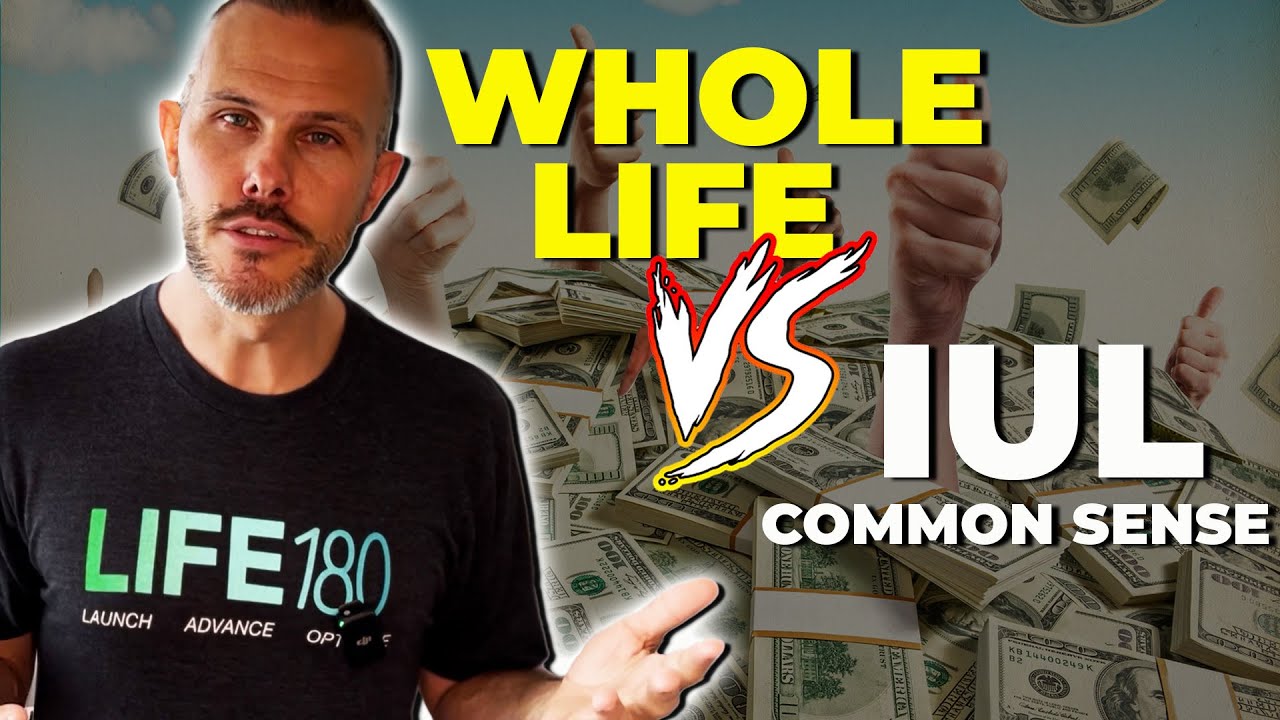
Keyword and search term rich 2-3 sentences that describes the video, pain points, problems, solutions, etc.]] SET UP A …
[wpcode id=”4722″]Indexed Universal Life (IUL) and Whole Life insurance are two popular options in the realm of permanent life insurance. Both offer lifelong coverage and a cash value component, but there are key differences between the two that can significantly impact their performance and value to policyholders. In this article, we will delve into the main difference between Indexed Universal Life and Whole Life insurance to help you make an informed decision when choosing the right life insurance policy for yourself or your loved ones.
Indexed Universal Life (IUL) insurance is a type of permanent life insurance that offers a death benefit and a cash value component that is tied to the performance of a stock market index, such as the S&P 500. This means that the cash value of an IUL policy has the potential to grow at a higher rate than traditional Whole Life insurance, depending on the performance of the chosen index.
On the other hand, Whole Life insurance is a more traditional type of permanent life insurance that offers a fixed death benefit and a guaranteed cash value component that grows over time. The cash value of a Whole Life policy grows at a fixed rate specified in the policy contract, typically around 2-4% annually.
The main difference between Indexed Universal Life and Whole Life insurance lies in how the cash value component of each policy grows. With an IUL policy, the cash value has the potential to grow at a higher rate due to the fact that it is tied to the performance of an index. This means that policyholders have the opportunity to earn higher returns on their cash value, which can result in a larger death benefit and cash value over time.
On the other hand, with a Whole Life policy, the cash value grows at a fixed rate determined by the insurance company. While this fixed rate provides stability and predictability, it may not offer as much potential for growth as an IUL policy tied to an index. Additionally, the cash value of a Whole Life policy is guaranteed to grow over time, which can provide peace of mind to policyholders who are looking for a more conservative investment option.
Another key difference between Indexed Universal Life and Whole Life insurance is the flexibility of premium payments. With an IUL policy, policyholders have the ability to adjust their premium payments or even skip payments altogether, as long as the cash value is sufficient to cover the cost of insurance. This flexibility can be particularly beneficial for policyholders who may experience financial hardships or changes in income.
On the other hand, Whole Life insurance requires policyholders to make fixed premium payments on a regular basis. While this can provide a sense of stability and discipline, it may not be as accommodating for individuals who prefer a more flexible payment schedule.
In conclusion, the main difference between Indexed Universal Life and Whole Life insurance lies in how the cash value component of each policy grows and the flexibility of premium payments. While IUL policies offer the potential for higher returns and greater flexibility, Whole Life insurance provides stability and guarantees that can appeal to more conservative investors. It is important to carefully consider your financial goals and risk tolerance when choosing between these two types of permanent life insurance to ensure that you select the policy that best meets your needs.
Frequently Asked Questions

What is indexed universal life insurance?
IUL is a type of universal life insurance where cash value growth is tied to a market index like the S&P 500. Gains are capped but you’re protected from market losses. It offers tax-advantaged growth, flexible premiums, and a death benefit.
Is IUL a good investment?
IUL can be an effective tax-advantaged savings vehicle, but it’s not a replacement for traditional investments like 401(k)s or IRAs. The capped returns mean you won’t match full market gains, but you’re protected from losses. It works best as a supplement for tax-free retirement income.
How much does IUL cost?
IUL costs vary widely based on age, health, and coverage amount. Expect to pay $120-$250/month for $250,000 in coverage. The policy charges include cost of insurance, administrative fees, and any riders you add.
Where can I compare indexed universal life insurance quotes?
You can compare free indexed universal life insurance quotes from 50+ providers right here on Life Quotes Web. Our comparison tool shows side-by-side rates in under 2 minutes — get your free quotes now.
Compare Free Indexed Universal Life Insurance Quotes Today
Get personalized rates from 50+ providers. No obligation, no medical exam required.
🛡️ Get Your Free Indexed Universal Life Insurance Quote →
🔒 256-bit SSL Encrypted | ⭐ 4.8/5 Rating | 🏆 50+ Providers
