

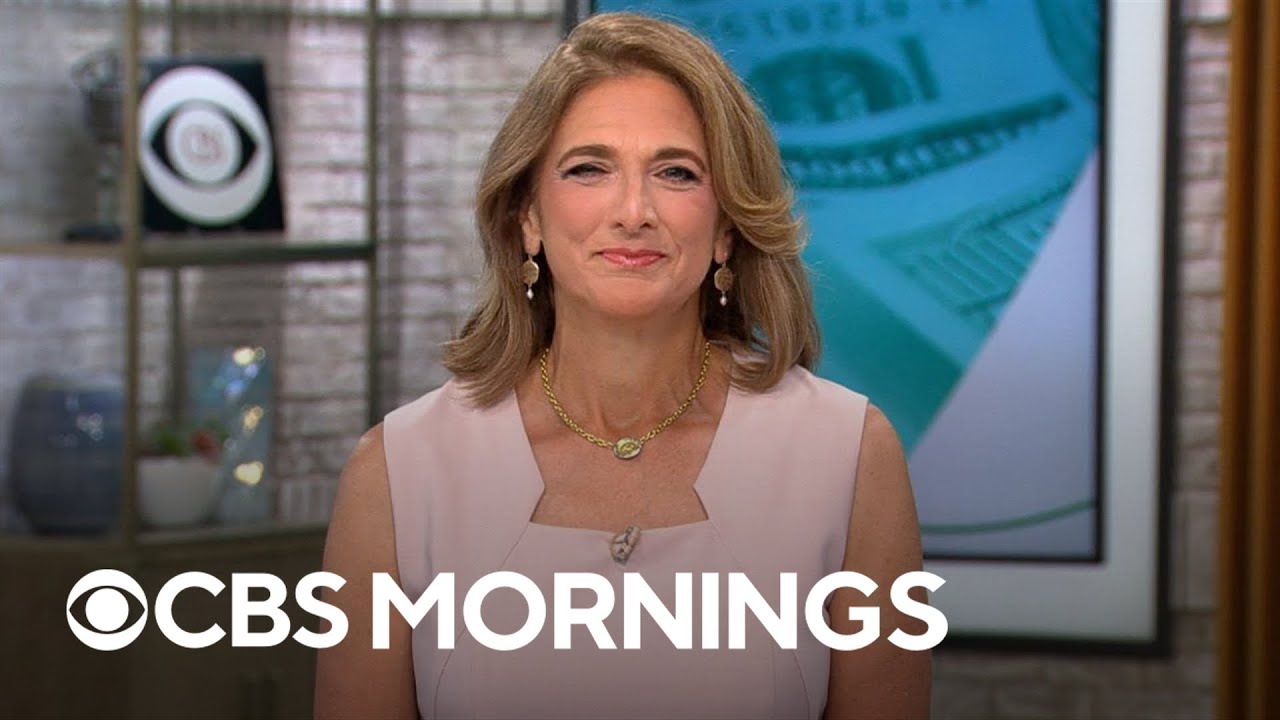

September is Life Insurance Awareness Month and CBS News business analyst Jill Schlesinger joins “CBS Mornings” to review …
Life insurance is a crucial aspect of financial planning that often goes overlooked. It can provide financial security to your loved ones in the event of your untimely death, ensuring that they are taken care of financially. In this article, we will discuss the basics of life insurance and what beneficiaries need to know.
Life insurance is a contract between an individual and an insurance company in which the policyholder pays premiums in exchange for a lump-sum payment, known as the death benefit, to be paid to the beneficiaries upon the policyholder’s death. There are several types of life insurance policies available, including term life insurance, whole life insurance, and universal life insurance.
Term life insurance is the most basic and affordable type of life insurance. It provides coverage for a specific term, typically 10, 20, or 30 years, and pays out the death benefit to the beneficiaries if the policyholder dies within that term. Whole life insurance, on the other hand, provides coverage for the policyholder’s entire life and includes a cash value component that grows over time. Universal life insurance is a flexible type of life insurance that allows the policyholder to adjust the premium payments and death benefit as needed.
When a policyholder passes away, it is up to the beneficiaries to file a claim with the insurance company to receive the death benefit. The process typically involves providing proof of death, such as a death certificate, and completing any necessary paperwork. It is important for beneficiaries to be aware of their rights and responsibilities when filing a claim, as the process can be complex and time-consuming.
In addition to filing a claim, beneficiaries should also be aware of the tax implications of receiving a life insurance payout. In general, life insurance death benefits are not taxable as income to the beneficiaries. However, if the policyholder has named their estate as the beneficiary of the policy, the death benefit may be subject to estate taxes. It is important for beneficiaries to consult with a tax advisor to understand the tax consequences of receiving a life insurance payout.
Another important consideration for beneficiaries is how to use the life insurance proceeds. While the death benefit can provide financial security, it is important for beneficiaries to have a plan in place for how to use the funds. This may include paying off debts, covering funeral expenses, or investing the money for the future. Beneficiaries should also be aware of any restrictions or limitations on how the funds can be used, as some policies may specify how the death benefit can be allocated.
In conclusion, life insurance is a valuable financial tool that can provide peace of mind and financial security to your loved ones. It is important for beneficiaries to understand the basics of life insurance, their rights and responsibilities when filing a claim, and how to use the life insurance proceeds. By being informed and prepared, beneficiaries can ensure that they are able to make the most of the life insurance benefits provided to them.
Frequently Asked Questions

How does universal life insurance work?
Universal life insurance provides lifelong coverage with flexible premiums and an adjustable death benefit. Part of your premium goes toward the cost of insurance, and the rest accumulates in a cash value account that earns interest. You can increase or decrease your premium payments as your budget changes.
Is universal life better than whole life?
Universal life offers more flexibility than whole life — you can adjust premiums and death benefits. Whole life provides guaranteed cash value growth and fixed premiums. Choose universal life if you want flexibility; choose whole life if you prefer predictability.
Can I lose money with universal life insurance?
Yes, if the cash value drops too low to cover the cost of insurance, your policy could lapse. This can happen if you pay minimum premiums during periods of low interest rates. Regular policy reviews and adequate premium payments help prevent this.
Where can I compare universal life insurance quotes?
You can compare free universal life insurance quotes from 50+ providers right here on Life Quotes Web. Our comparison tool shows side-by-side rates in under 2 minutes — get your free quotes now.
Compare Free Universal Life Insurance Quotes Today
Get personalized rates from 50+ providers. No obligation, no medical exam required.
🛡️ Get Your Free Universal Life Insurance Quote →
🔒 256-bit SSL Encrypted | ⭐ 4.8/5 Rating | 🏆 50+ Providers
